
Seoul Was Caught Off Guard by Trump’s Latest Move — And North Korea Is Watching
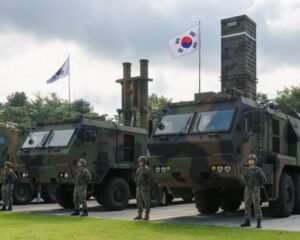
Something unexpected just happened in Seoul, and it has quickly turned a routine military exercise into a much bigger international story.
The United States and South Korea are cutting short their annual Ulchi Freedom Shield military exercises after President Donald Trump ordered a substantial reduction in U.S. participation.
The drills were originally scheduled to run through August 27.
Now, they are expected to end on August 21.
That means an exercise planned for 11 days has effectively been reduced to just five.
But the most surprising part may not be the shortened exercise.
It is what South Korean officials say happened behind the scenes.
South Korea’s Foreign Minister Cho Hyun said both South Korean and U.S. officials were caught off guard and had not known about Trump’s decision in advance.
And that immediately raises a much bigger question:
Why did Washington make this move now?
Why Is Seoul Suddenly at the Center of a Global Story?
The answer goes beyond military training.
The U.S.-South Korea alliance has long been one of the most important security partnerships in Asia.
Joint exercises are designed to make sure American and South Korean forces can operate together if a serious crisis develops on the Korean Peninsula.
So when Washington suddenly orders the scale of those exercises reduced, people naturally start asking what it means.
For Seoul, the timing is particularly sensitive.
The move comes while Trump is again signaling an interest in improving relations with North Korean leader Kim Jong Un.
Trump has argued that the exercises are costly and send an inappropriate signal toward North Korea.
That makes the latest development much bigger than a scheduling change.
It could be a sign of a broader diplomatic strategy.
Trump Just Changed the Equation
The decision has put Seoul in an unusual position.
South Korea has its own security concerns.
North Korea remains heavily armed and continues to develop its military capabilities.
At the same time, South Korean President Lee Jae Myung has supported reducing tensions and reopening dialogue with Pyongyang.
So on the surface, Washington’s decision might seem to help Seoul’s diplomatic goals.
But there is a catch.
South Korean officials weren’t expecting the announcement.
That has created questions about communication between the two allies.
And when you’re talking about national security, communication matters.
A lot.
The Number That Has Everyone Talking
Here’s the part that makes the story so striking.
The annual exercise was supposed to continue until August 27.
Now it is expected to end August 21.
11 days became 5.
That’s not a minor adjustment.
The U.S. and South Korea are also scaling back some field-training activities, although officials say essential readiness objectives will be preserved.
That leaves analysts wondering whether this is simply a temporary change or the beginning of something larger.
Why North Korea Is Watching Closely
North Korea has historically condemned U.S.-South Korea military exercises.
Pyongyang views the drills as preparation for potential military action.
Washington and Seoul have traditionally argued that the exercises are defensive and necessary for readiness.
Now Trump is taking a different approach.
By reducing the drills, the administration may be trying to create a more favorable atmosphere for talks with Kim Jong Un.
That could potentially lower tensions.
But it also creates a difficult calculation for Seoul.
How do you pursue diplomacy without weakening deterrence?
That’s the question now hanging over the Korean Peninsula.
Seoul Has a Problem Nobody Can Ignore
The biggest issue may be trust.
A military alliance depends on coordination.
If one partner makes a major decision affecting joint military preparedness without the other partner knowing in advance, questions naturally follow.
South Korean Foreign Minister Cho Hyun said the lack of advance knowledge was real.
That doesn’t mean the U.S.-South Korea alliance is collapsing.
It doesn’t mean Washington is abandoning South Korea.
But it does show that the two countries may not always see regional security strategy the same way.
And that is something Seoul will have to navigate carefully.
Is Trump Trying to Get Kim Jong Un Back to the Table?
That appears to be one possible explanation.
Trump has repeatedly emphasized his relationship with Kim Jong Un.
Recent reporting says the reduction in exercises comes amid a renewed push for engagement with North Korea.
From Trump’s perspective, reducing exercises could be viewed as a way to remove one of the issues North Korea regularly complains about.
But there is no guarantee that Pyongyang will respond with negotiations.
North Korea has its own strategic interests.
And Kim Jong Un may not be willing to return to talks simply because Washington changes military exercises.
The Iran Connection Makes This Even More Complicated
There is another piece of the story that could be easy to miss.
South Korean Foreign Minister Cho Hyun said Trump’s order appeared to be partly connected to Washington’s pressure on Seoul regarding Iran and investment.
That means the military decision may not be solely about North Korea.
It could also be part of a much broader disagreement between Washington and Seoul.
Suddenly, the story involves:
- North Korea
- Iran
- U.S. military policy
- South Korean defense
- Regional diplomacy
- The U.S.-South Korea alliance
That’s why Seoul is becoming such an important keyword in this story.
Could This Change the U.S.-South Korea Alliance?
It’s too early to say.
One shortened military exercise doesn’t automatically mean the alliance is weakening.
The United States and South Korea still maintain extensive defense cooperation.
But analysts are watching closely because joint exercises are considered an important part of maintaining operational familiarity and readiness.
If future exercises are repeatedly reduced, the conversation could become much more serious.
For now, the bigger issue is uncertainty.
Seoul May Now Have to Rethink Its Defense Strategy
The latest move could also strengthen calls in South Korea for greater defense self-reliance.
South Korea has already been discussing greater responsibility for its own military operations.
The reduction in joint training could make those discussions even more important.
Some analysts are also watching how the change affects plans related to wartime operational control.
In other words, the decision isn’t just about this week’s military exercise.
It could influence long-term defense planning in Seoul.
What Does This Mean for Americans?
For American readers, the story may seem geographically distant.
It isn’t.
South Korea is one of Washington’s most important security partners in Asia.
Events involving Seoul can affect America’s broader strategy toward:
- North Korea
- China
- Japan
- Taiwan
- Regional military readiness
- U.S. troop deployments
That’s why this development deserves attention in the United States.
A change on the Korean Peninsula can have consequences far beyond Korea.
What Happens If North Korea Responds?
This is where the story could become even bigger.
North Korea has already criticized the joint exercises.
Pyongyang has historically used U.S.-South Korea military drills as justification for military demonstrations.
If North Korea responds aggressively despite the reduction, Washington and Seoul could face a difficult choice.
Do they increase military pressure?
Do they continue pursuing diplomacy?
Or do they try to find a middle ground?
The next North Korean response could provide an important clue.
Could Seoul Actually Benefit From the Move?
Possibly.
There is an argument that fewer military exercises could create more space for diplomacy.
If reduced drills encourage North Korea to engage with Washington or Seoul, the move could eventually be seen as a successful diplomatic tactic.
But there is another possibility.
If North Korea doesn’t respond positively, critics could argue that the United States reduced a key readiness activity without receiving anything in return.
That’s why the next few weeks matter.
The Biggest Question Isn’t What Happened Today
The bigger question is:
What happens after August 21?
The exercise will end earlier than originally planned.
But what happens to future exercises?
Will the next U.S.-South Korea drills also be smaller?
Will Washington continue reducing military cooperation?
Will Trump and Kim Jong Un actually resume talks?
Will Seoul push harder for greater defense independence?
Those answers could determine whether this week’s decision becomes a footnote or a turning point.
What Should You Watch Next?

If you’re following the Seoul story, these are the developments that matter most.
1. North Korea’s Response
Watch for new statements, military activity or diplomatic signals from Pyongyang.
2. Washington’s Next Move
Will Trump announce further changes to U.S.-South Korea military cooperation?
3. Seoul’s Reaction
Will South Korean officials seek stronger assurances from Washington?
4. Future Military Exercises
Will the next exercises return to their previous scale?
5. Trump-Kim Diplomacy
Will the reduction actually lead to renewed talks?
These five developments could determine the direction of the story.
Seoul’s Biggest Dilemma
The situation can be reduced to one difficult balancing act:
Diplomacy vs. deterrence.
South Korea wants to avoid unnecessary escalation with North Korea.
But it also needs to maintain credible defenses.
The United States wants to preserve its alliance with South Korea.
At the same time, Trump appears interested in reducing tensions with Kim Jong Un.
Those objectives can coexist.
But they can also collide.
That’s exactly what makes the current Seoul situation so fascinating.
Read More:- Jordan Spieth Comments PGA Tour: His Bold Claim Just Got Complicated
This Isn’t Just About Military Drills
The headline may say the drills are being shortened.
But underneath that headline is a much larger story.
It’s about the future of the U.S.-South Korea alliance.
It’s about Trump’s approach to North Korea.
It’s about South Korea’s growing desire for strategic independence.
It’s about whether diplomacy can coexist with military readiness.
And it’s about whether Washington and Seoul still have the same vision for security in East Asia.
That’s a much bigger story than five fewer days of military exercises.
Final Verdict
The latest Seoul development is significant because several major issues have collided at the same time.
Trump has ordered a substantial reduction in U.S. participation in the annual U.S.-South Korea military exercises.
The drills are being shortened from 11 days to five and will now end August 21 rather than August 27.
Even more striking, South Korea’s foreign minister says officials in both countries were caught off guard and had no advance knowledge of the decision.
At the same time, Trump appears interested in reopening the door to diplomacy with North Korea.
For Seoul, that creates a complicated situation.
A reduction in military exercises could potentially help diplomacy.
But unexpected changes to joint defense activities can also create concerns about readiness and alliance coordination.
So the real story isn’t simply:
“Military drills were cut short.”
The real story is:
Washington just changed an important part of its approach to South Korea and North Korea—and Seoul now has to figure out what that means.
And that is why everyone will be watching what happens next.