
How Can AI Be Used as a Tool to Transform the World Into a Better Place?
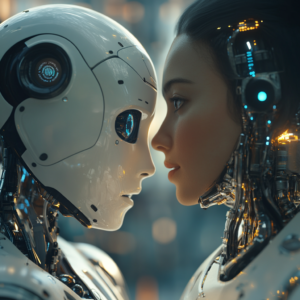
Artificial intelligence is moving beyond chatbots and image generators. The bigger question is how can AI be used as a tool to transform the world into a better place? From improving healthcare and education to strengthening climate resilience and helping communities respond to disasters, AI could become a powerful tool when it is developed and deployed responsibly.
Quick Answer
AI can help transform the world by improving healthcare, expanding personalized education, supporting climate and agricultural decisions, accelerating scientific research, and helping organizations respond to crises. The United Nations identifies AI as having potential across many Sustainable Development Goals, but responsible governance is essential to prevent bias, privacy violations and unequal access.
How Can AI Be Used as a Tool to Transform the World Into a Better Place?
AI’s greatest benefit may come from helping people make faster, better-informed decisions rather than replacing human judgment.
5 Key Developments
- Healthcare: AI can support diagnostics, predictive analytics and medical research, potentially helping clinicians identify problems earlier.
- Education: AI-powered personalized learning can adapt explanations and practice to individual students.
- Climate and agriculture: AI can analyze weather, crops and environmental data to support climate resilience and agricultural planning.
- Disaster response: AI can help with crisis mapping, resource coordination and humanitarian aid distribution.
- Scientific discovery: AI can process enormous datasets and help researchers identify patterns that would be difficult to find manually.
For more free AI tools, visit now: https://freeaitools4u.com/
Can AI Reduce Global Inequality?
AI can help reduce inequality when access, affordability and responsible deployment are treated as priorities. The United Nations warns that AI’s benefits are currently unevenly distributed and that poorly governed systems could widen digital divides.
That makes affordable access, digital literacy and inclusive AI development just as important as technical progress.
What Are the Risks of Using AI for Good?
AI can create harm if accuracy, fairness, privacy, security and accountability are ignored. NIST’s AI Risk Management Framework emphasizes trustworthy AI characteristics including reliability, safety, security, transparency, explainability, privacy and fairness.
What Happens Next?
The next phase of AI should focus less on what AI can do and more on where it can create measurable public benefit. Governments, researchers, businesses and communities will need practical safeguards alongside innovation.
Final Take
AI is not automatically a force for good. People decide how the technology is designed, governed and used. Used responsibly, AI could become one of the most useful tools for improving health, education, environmental resilience and access to information.
Read More:- Valheim: 7 Incredible 1.0 Changes You Need to Know
FAQs
1. How can AI help society?
AI can support healthcare, education, scientific research, climate planning, accessibility and disaster response.
2. Can AI help solve climate change?
AI can analyze environmental and weather data, improve forecasting and support climate-resilient agriculture and infrastructure.
3. Can AI improve education?
Yes. AI can support personalized learning, tutoring, translation and educational accessibility.
4. What is the biggest risk of AI?
Major risks include inaccurate outputs, bias, privacy problems, security vulnerabilities and unequal access.
5. Will AI replace humans?
AI can automate some tasks, but using it responsibly means keeping appropriate human oversight, especially for high-impact decisions.
Pingback: Google Finland AI Infrastructure: 5 Amazing Secrets Revealed