
Salmonella Egg Recall: Could Your Eggs Be on the List? Check Your Carton Before Eating
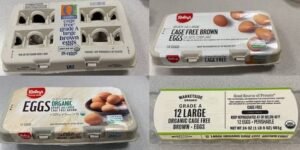
A major salmonella egg recall is affecting millions of shell eggs sold across parts of the United States, and consumers may need to check their refrigerators before using eggs they already purchased.
Midwest Poultry Services, L.P. has recalled 1,589,577 dozen white shell eggs and brown cage-free shell eggs because the products may be contaminated with Salmonella Enteritidis. That is roughly 19.1 million individual eggs. The recalled products were produced at Texas farms and distributed through retail and foodservice channels.
The important point is that not every egg is part of the salmonella egg recall. Consumers should check the information printed on the carton and compare it with the official FDA recall details.
What Is the Salmonella Egg Recall About?
The current salmonella egg recall involves eggs produced by Midwest Poultry Services and sold under several brand names.
According to the FDA, recalled eggs include certain products sold under:
- Country Morning
- Cal-Maine Sunups
- Brookshire’s
- Simple Truth
- Kroger
The eggs were available in several package sizes, including cartons containing 6, 12, 18, 24, 30, 36 and 60 eggs. Some were sold directly to consumers while others were distributed through foodservice channels.
The FDA’s investigation is connected to a Salmonella Enteritidis outbreak. As federal investigators continue examining the situation, consumers should use the official product identification information rather than assuming that an entire brand or all eggs sold in a particular store are affected.
How Do You Know If Your Eggs Are Recalled?
This is the most important question for anyone concerned about the salmonella egg recall.
Check the side or end of your egg carton for the identifying information printed on the packaging.
The FDA lists affected products associated with identifying codes including:
P-1950 and 0840962
The recalled products also have Julian production dates ranging from 157 through 184 and sell-by or best-by dates from July 20, 2026, through August 17, 2026.
Do not use only the expiration or best-by date to determine whether your eggs are recalled. Compare the complete information on your carton with the FDA’s official recall table.
If you no longer have the original carton, identifying the product can become difficult. In that situation, it is safer not to guess.
Which States Received the Recalled Eggs?
The salmonella egg recall affects products distributed through several states.
The FDA identifies distribution in:
- Texas
- Oklahoma
- Louisiana
- Arkansas
- New Mexico
- Mississippi
Because food distribution networks can move products across state lines, consumers should check the official FDA product list even if they live outside the primary distribution areas.
The FDA’s recall information provides the most reliable way to determine whether a particular carton is affected.
What Should You Do If Your Eggs Match the Recall?
If your eggs match the product information listed in the salmonella egg recall, do not eat them.
The FDA advises consumers to either throw the recalled eggs away or return them to the place of purchase for a refund. Do not attempt to decide whether the eggs are safe based on appearance, smell or whether the shells look normal.
Food contaminated with Salmonella may not look, smell or taste unusual.
After disposing of recalled eggs, clean areas where the eggs may have been stored or handled. This can include refrigerator surfaces, countertops, containers, utensils and other food-preparation areas.
Handwashing is also important because bacteria can move from contaminated food or packaging to other surfaces.
Can Cooking Recalled Eggs Make Them Safe?
Consumers should not try to make recalled eggs safe by cooking them.
If an egg is specifically included in the salmonella egg recall, follow the recall instructions and discard or return it.
Cooking eggs thoroughly is an important food-safety practice for eggs that are not recalled, but it should not be used as a reason to consume a product that has already been recalled.
The FDA and other food-safety authorities recommend following recall instructions instead of attempting to salvage recalled food.
What Are the Symptoms of Salmonella?
Knowing the symptoms is especially important if someone may have consumed an affected product.
Salmonella infection can cause symptoms such as:
- Diarrhea
- Fever
- Stomach cramps
- Nausea
- Vomiting
Symptoms can vary from person to person. Some infections are mild, while others can become serious.
Young children, older adults and people with weakened immune systems have a greater risk of developing serious illness from Salmonella.
If you believe you became sick after eating a potentially recalled product, contact a healthcare professional and explain the possible food exposure.
Why Is This Salmonella Egg Recall Important?
The scale of the salmonella egg recall is one reason consumers should take the notice seriously.
The FDA says the recalled products represent approximately 19.1 million individual eggs. The agency’s outbreak investigation involves Salmonella Enteritidis, a strain associated with foodborne illness.
However, consumers should understand an important distinction: a recall does not mean that every individual egg in the recalled lot has been confirmed contaminated.
A recall means the products are being removed from the market because there is a potential safety concern.
That is why checking the exact product information matters.
How to Prevent Salmonella From Eggs
Even when there is no salmonella egg recall affecting your particular carton, safe handling of eggs remains important.
Follow these basic practices:
- Keep eggs refrigerated.
- Wash your hands after handling raw eggs.
- Prevent raw eggs from contacting ready-to-eat foods.
- Clean countertops and utensils after preparing raw eggs.
- Avoid consuming raw or undercooked egg dishes when food safety is uncertain.
- Cook egg dishes thoroughly.
- Keep recalled products out of the kitchen once you learn they are affected.
Food safety is particularly important when preparing meals for children, older adults or people with weakened immune systems.
What If You Already Ate the Recalled Eggs?
If you ate eggs before learning about the salmonella egg recall, do not automatically assume that you will become sick.
Instead, pay attention to your health and watch for possible Salmonella symptoms.
If symptoms develop, tell your healthcare provider about the possible exposure. Medical professionals can determine whether testing or treatment is appropriate based on your symptoms and circumstances.
People who develop severe symptoms or are at increased risk of complications should seek medical advice promptly.
Where Should You Check for Salmonella Egg Recall Updates?
For the most accurate salmonella egg recall information, use government sources rather than relying on social media posts, screenshots or unofficial recall lists.
The FDA’s recall notice provides the affected brands, package sizes, dates and identifying information. The FDA’s outbreak investigation page also provides updates as investigators gather additional information.
This is particularly important because recall information can change as investigators identify additional products or distribution locations.
Read More:- Apple AI Model China: What Apple and Alibaba Are Really Building
The Bottom Line
The current salmonella egg recall involves millions of eggs produced by Midwest Poultry Services and sold under multiple brand names.
If you have eggs at home, check the carton before eating them. Look for the identifying information, production date and sell-by or best-by date, then compare the complete details with the FDA’s official recall information.
If your carton matches a recalled product, do not eat the eggs. Follow the FDA’s instructions to discard them or return them to the retailer.
Most importantly, do not assume that every egg or every product from a listed brand is automatically recalled. The exact carton information is what determines whether a product is included.
The FDA’s official information should remain the primary reference as the investigation develops.
Frequently Asked Questions
1. What is the salmonella egg recall?
The salmonella egg recall involves specific white shell and brown cage-free eggs from Midwest Poultry Services that may be contaminated with Salmonella Enteritidis.
2. How many eggs are included in the recall?
The FDA recall covers 1,589,577 dozen eggs, equivalent to approximately 19.1 million individual eggs.
3. Which brands are included in the salmonella egg recall?
The FDA lists affected products sold under Country Morning, Cal-Maine Sunups, Brookshire’s, Simple Truth and Kroger, along with certain foodservice products.
4. What dates are on the recalled eggs?
Affected products have sell-by or best-by dates ranging from July 20 through August 17, 2026. The date should be checked together with the product’s other identifying information.
5. How can I check my egg carton?
Look for the identifying code and Julian production date printed on the carton. The FDA identifies affected products associated with codes including P-1950 and 0840962, with Julian dates from 157 through 184.
6. Should I eat eggs if I am unsure whether they are recalled?
If you cannot confidently determine whether your eggs are included in the salmonella egg recall, do not guess. Check the official FDA recall information or contact the retailer or manufacturer for clarification.
7. What should I do with recalled eggs?
Do not eat them. The FDA advises consumers to throw recalled eggs away or return them to the place of purchase for a refund.
8. Can recalled eggs look normal?
Yes. Consumers should not rely on appearance, smell or taste to determine whether a recalled egg is safe.
9. What are common Salmonella symptoms?
Diarrhea, fever and abdominal cramps are common symptoms. Nausea and vomiting can also occur.
10. Can cooking recalled eggs make them safe?
No. Do not attempt to salvage recalled eggs by cooking them. Follow the official recall instructions.
11. Which states received the recalled eggs?
The FDA identifies distribution in Texas, Oklahoma, Louisiana, Arkansas, New Mexico and Mississippi, although consumers should consult the official recall notice for the complete distribution information.
12. Is every Kroger egg part of the recall?
No. The salmonella egg recall applies to specifically identified products. Consumers should check the carton details rather than assuming every Kroger egg is affected.
13. Is every Simple Truth egg recalled?
No. Only the specific products identified by the FDA are included. Check the package information carefully.
14. What if I already ate recalled eggs?
Eating a recalled egg does not guarantee that you will become ill. Monitor for possible symptoms and contact a healthcare professional if you become sick, particularly if symptoms are severe or you are at higher risk of complications.
15. Where can I find official salmonella egg recall information?
The FDA’s official recall notice and its Salmonella egg outbreak investigation are the best sources for checking affected products and subsequent updates.
Editorial note: This article is intended for general public information and is based on official information available from the FDA at the time of publication. Recall details may change as the investigation continues. This article does not replace medical advice.