
Lucy Davis Shares Her Stage 4 Breast Cancer Diagnosis

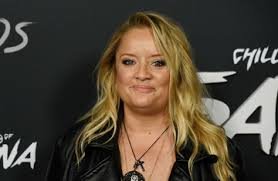
Actress Lucy Davis, best known to millions of television viewers for playing Dawn Tinsley in the original UK version of The Office, has revealed that she has been living with stage 4 breast cancer.
Davis, 53, shared the news publicly on August 11, 2026, explaining that she was diagnosed about a year and a half ago. According to her statement, the cancer has spread to her bones, specifically her spine, right hip and ribs. She described the cancer as incurable and said chemotherapy is no longer an option in her situation.
The announcement has drawn widespread attention not only because of Davis’s career, but also because of the personal message she attached to her diagnosis.
Rather than focusing only on the illness, Lucy Davis spoke about continuing to live her life, finding humor where possible and remaining involved in the work and causes that matter to her.
Who Is Lucy Davis?
For American audiences who may know her from other projects, Lucy Davis has built a career across British and American television and film.
She became widely recognized for playing Dawn Tinsley in the BBC’s The Office, which originally aired from 2001 to 2003. She later appeared in projects including Shaun of the Dead, Ugly Betty, Wonder Woman and Chilling Adventures of Sabrina.
Davis is also the daughter of British comedian and actor Jasper Carrott.
Her latest announcement has introduced a very different and deeply personal chapter in her public life.
What Did Lucy Davis Reveal About Her Cancer?
According to reports based on Davis’s own public statement, she was diagnosed with stage 4 breast cancer approximately 18 months ago.
She said the cancer has metastasized to her bones, including her:
- Spine
- Right hip
- Ribs
Davis also described experiencing significant pain and said that standing or walking for extended periods can be difficult. She has sometimes needed to use a wheelchair.
Importantly, these details describe Davis’s individual medical situation. They should not be interpreted as a general statement about how every person with stage 4 breast cancer will experience the disease.
Stage 4 breast cancer, also known as metastatic breast cancer, means the cancer has spread to distant parts of the body. Common metastatic sites include the bones, liver, lungs and brain.
Why Did Lucy Davis Say Her Diagnosis Should Not Be Ignored?
One of the most important parts of Davis’s message involved the initial change she noticed.
She said the original area did not feel like what she would have considered a typical lump. Instead, she described it as a small, hard spot and acknowledged that she almost did not have it checked.
Her message was straightforward: unusual changes should not simply be ignored.
That point is important beyond the celebrity news itself.
Possible signs of breast cancer can include a new lump in the breast or underarm, thickening or swelling, skin changes, nipple changes, unusual discharge and changes in breast size or shape.
However, these symptoms can also occur because of conditions that are not cancer.
That is why people should not attempt to diagnose themselves based on an article, social media post or celebrity story.
A new or unusual breast change deserves professional medical attention.
What Does Stage 4 Breast Cancer Mean?
Stage 4 breast cancer is also known as metastatic breast cancer.
It means breast cancer cells have spread from the breast to distant areas of the body. When cancer spreads to the bones, for example, doctors still classify it as metastatic breast cancer rather than primary bone cancer.
Treatment for metastatic breast cancer can vary considerably from one person to another.
Treatment may focus on slowing the cancer’s progression, controlling symptoms and maintaining quality of life. Treatment decisions depend on factors such as previous treatments, the characteristics of the cancer and the individual’s circumstances and preferences.
This is an important distinction when discussing Lucy Davis.
Davis has described her own cancer as incurable and said chemotherapy is no longer an option for her. That does not mean that every person diagnosed with stage 4 breast cancer receives the same treatment or has the same prognosis.
What Message Did Lucy Davis Share With Fans?
Despite the seriousness of her diagnosis, Davis’s message was not simply about cancer.
She spoke about wanting to continue enjoying her life and said that acting remains one of the greatest joys in her life. She also discussed the importance of humor and asked friends and family to continue treating her normally rather than constantly treating her as a sick person.
Davis has also been involved in animal-rights advocacy, another cause she intends to continue supporting.
Her approach highlights something often missing from celebrity health stories: the person behind the diagnosis.
For Davis, the announcement was not only about explaining what happened. It was also about communicating how she wants to live and how she wants the people around her to respond.
What Can People Learn From the Lucy Davis Story?
The most practical lesson is simple: do not automatically dismiss an unusual change in your body.
For women at average risk in the United States, current screening guidance recommends regular mammography beginning at age 40, with the exact screening schedule depending on age and individual circumstances. People at higher risk may need a different screening approach.
Possible warning signs can include:
- A new breast or underarm lump
- Thickening or swelling
- Changes in breast size or shape
- Skin dimpling, irritation or redness
- Nipple changes or unusual discharge
These signs do not automatically mean cancer. Many breast changes have non-cancerous causes. But getting an unexplained change evaluated is safer than ignoring it.
Read More:- Veo 3.1, Gemini Omni or Google Vids: Which Powerful AI Video Tool Is Best?
Lucy Davis and the Bigger Conversation About Breast Cancer
The announcement from Lucy Davis has understandably attracted attention because she is a familiar face from The Office and other popular productions.
But the most valuable part of the story may be the awareness message surrounding it.
Breast cancer can present differently from person to person, and some people may have no obvious symptoms. Screening can help detect breast cancer before it becomes large enough to cause noticeable symptoms.
At the same time, screening is not a substitute for seeing a healthcare professional when a new or unusual change appears.
The lesson from Davis’s experience is therefore not to panic over every breast change. It is to pay attention, avoid assumptions and seek appropriate medical advice when something does not seem normal for you.
Frequently Asked Questions About Lucy Davis
1. Who is Lucy Davis?
Lucy Davis is an English actress best known for playing Dawn Tinsley in the original BBC version of The Office. She has also appeared in Shaun of the Dead, Wonder Woman, Ugly Betty and Chilling Adventures of Sabrina.
2. What happened to Lucy Davis?
Lucy Davis has publicly revealed that she was diagnosed with stage 4 breast cancer around 18 months before her August 11, 2026 announcement. She said the cancer has spread to her bones.
3. What type of cancer does Lucy Davis have?
Lucy Davis said she has stage 4 breast cancer that has metastasized to her bones, including her spine, right hip and ribs.
4. How old is Lucy Davis?
Lucy Davis is 53 years old according to the latest reports about her diagnosis.
5. What character did Lucy Davis play in The Office?
Lucy Davis played Dawn Tinsley in the original UK version of The Office. The series originally ran from 2001 to 2003.
6. Has Lucy Davis said her cancer is incurable?
Yes. Davis has publicly described her stage 4 breast cancer as incurable. She also said chemotherapy is no longer an option in her particular situation.
7. Where has Lucy Davis’s cancer spread?
Davis said the cancer has spread to her bones, specifically mentioning her spine, right hip and ribs.
8. What was the first sign Lucy Davis noticed?
Davis said she noticed a small, hard area in her breast. She said she almost did not get it checked, which became an important part of the message she later shared with her followers.
9. What are possible breast cancer symptoms?
Possible symptoms include a new lump, breast or underarm swelling, skin changes, nipple changes, unusual discharge and changes in breast size or shape. Some people may have no symptoms.
10. Does finding a breast lump always mean cancer?
No. Many breast lumps are caused by non-cancerous conditions. However, a new or unusual lump should be evaluated by a healthcare professional rather than self-diagnosed.
11. What does stage 4 breast cancer mean?
Stage 4 breast cancer means the cancer has spread beyond the breast to distant parts of the body. It is also called metastatic breast cancer.
12. Can stage 4 breast cancer be treated?
Metastatic breast cancer can be treated, although treatment goals and options vary significantly between patients. Treatment may focus on controlling the disease, managing symptoms and maintaining quality of life.
13. Should people get a breast change checked even if it is small?
Yes. A small or unusual change should not automatically be dismissed. People should discuss concerning breast changes with a qualified healthcare professional.
14. When should women in the U.S. get mammograms?
For women at average risk, U.S. screening guidance recommends regular mammograms beginning at age 40. Individual recommendations can differ depending on age, family history, genetic risk and other factors.
15. What is the main lesson from Lucy Davis’s story?
The clearest lesson is to pay attention to unusual changes and seek professional medical advice rather than ignoring them. Davis’s experience also demonstrates that a cancer diagnosis is deeply personal and should not be reduced to a headline or assumption about another person’s prognosis.
Final Takeaway
The latest Lucy Davis news is difficult, but her decision to speak publicly has also created an opportunity for meaningful awareness.
Her message is not that every unusual breast change is cancer. It is that unusual changes should not automatically be ignored.
For anyone who notices a new lump, hard area, skin change, nipple change or other unexplained breast symptom, the appropriate next step is to speak with a qualified healthcare professional.
As for Lucy Davis, she has made clear that she intends to continue working, finding moments of humor and spending her time in ways that matter to her.
Her announcement is ultimately more than a celebrity health headline. It is a reminder to pay attention to your health, ask questions and seek medical advice when something feels different.
Editorial Note: This article is for news and general educational purposes only. It is not medical advice, a diagnosis or a substitute for care from a qualified healthcare professional. The details about Lucy Davis’s diagnosis are based on her public statement and reporting available at the time of publication.