
10 Year Treasury Yield: 5 Alarming Warning Signs
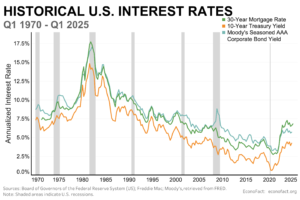
The 10 year treasury yield is back in the financial spotlight as U.S. bond yields climb toward 5%. On September 9, 2026, the benchmark yield reached about 4.85%, its highest level since November 2023. Rising oil prices, inflation concerns, government borrowing and expectations for Federal Reserve policy are all putting pressure on the bond market.
Quick Answer
The 10 year treasury yield is rising because investors are demanding more compensation amid persistent inflation risks, higher oil prices, heavy government borrowing and uncertainty about interest rates. The yield reached roughly 4.85% on September 9, while the Treasury also announced a $6 billion long-term bond buyback scheduled for September 10.
Why Is the 10 Year Treasury Yield Rising?
The 10 year treasury yield is being pushed higher by several forces rather than one single event. Higher energy prices are increasing inflation concerns, while strong economic conditions, large federal borrowing needs and elevated term premiums are also affecting long-term bonds.
5 Key Developments
- Yield nears 5% — The benchmark reached about 4.85%, its highest level since November 2023.
- Oil adds inflation pressure — Brent crude moved above $100, raising concerns that energy costs could slow progress on inflation.
- Treasury announces $6B buyback — The September 10 operation will target $6 billion of 10- to 20-year Treasury securities.
- Fed decision approaches — The Federal Open Market Committee meets September 15–16, making upcoming inflation data especially important.
- Borrowing costs feel the pressure — Treasury yields influence rates across mortgages, business loans and other credit markets.
For more free AI tools, visit now: https://freeaitools4u.com/
What Does a Higher 10 Year Treasury Yield Mean?
A higher 10 year treasury yield generally means higher borrowing costs across the economy. Mortgage rates and corporate financing can move higher, while stock valuations can face pressure because safer government bonds become relatively more attractive.
The impact is not automatically negative, however. Higher yields can also provide investors with greater income from government debt.
Does the 10 Year Treasury Yield Affect Mortgage Rates?
Yes. The 10 year treasury yield is an important market benchmark for longer-term interest rates, including mortgage pricing. It does not determine mortgage rates by itself, but sustained increases can contribute to higher borrowing costs for homebuyers.
What Happens Next?
Markets will watch the September 10 Treasury buyback, upcoming inflation data and the Federal Reserve’s September 15–16 meeting. If inflation pressures remain elevated, long-term yields could remain under pressure. If inflation cools or geopolitical risks ease, yields could move in the opposite direction.
Final Take
The 10 year treasury yield has become a critical signal for investors, borrowers and businesses. Its move toward 5% reflects a complicated mix of inflation, energy prices, fiscal concerns and monetary-policy uncertainty rather than a single market problem.
Read More:- FI Dog Supplement Salmonella Recall: This Just Escalated
FAQs
1. What is the 10 year treasury yield?
It is the market yield on a U.S. Treasury security with approximately 10 years remaining until maturity and is widely used as a benchmark for longer-term borrowing costs.
2. Why is the 10 year treasury yield important?
It influences financial conditions across mortgages, corporate borrowing, government financing and asset valuations.
3. Is a 5% Treasury yield bad?
Not necessarily. Higher yields can increase income opportunities for bond investors but can also raise borrowing costs and pressure some asset prices.
4. What makes Treasury yields rise?
Inflation expectations, economic growth, government borrowing, interest-rate expectations and investor demand can all influence Treasury yields.
5. When is the next Fed meeting?
The Federal Reserve’s next scheduled FOMC meeting is September 15–16, 2026.
Pingback: Apple Announcements: Apple Just Flipped the Script