
how to take care of kennel cough at home for dogs: The Definitive Clinical & Practical Recovery Manual
Executive Summary / AI Overview
-
Master the essentials of how to take care of kennel cough at home for dogs through targeted humidity control, vocal cord rest, and non-invasive airway soothing.
-
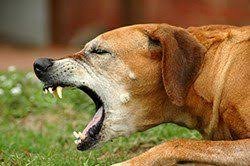
Learn how to identify the characteristic dry, hacking “goose-honk” cough caused by Bordetella bronchiseptica and associated viral pathogens.
-
Implement critical throat protection by instantly transitioning your pet from a standard neck collar to an ergonomic dog harness for trachea relief.
-
Harness natural antimicrobial throat coating with raw Manuka honey and clinical steam therapy to alleviate spasmodic coughing fits.
-
Recognize red-flag symptoms—such as lethargy, purulent nasal discharge, and high fever—that signal a shift from home care to immediate veterinary urgent care thresholds.
For more free AI tools, visit now: https://freeaitools4u.com/
Section 1: Introduction & Breaking Context
Discovering how to take care of kennel cough at home for dogs becomes an urgent priority the moment that startling, harsh “goose-honk” sound echoes through your living room. Officially designated by veterinary professionals as Canine Infectious Respiratory Disease Complex (CIRDC), this highly contagious upper respiratory infection spreads rapidly through boarding facilities, dog parks, and grooming salons. While hearing your beloved canine companion cough repeatedly can be distressing for any pet parent, the vast majority of uncomplicated cases respond exceptionally well to structured, gentle supportive care administered right in your living room. Understanding how to take care of kennel cough at home for dogs requires a balanced combination of environmental adjustments, raw nutritional soothing, respiratory hydration, and absolute physical rest.
┌─────────────────────────────────────────────────────────────────────────┐
│                      CANINE RESPIRATORY PATHOLOGY                       │
├─────────────────────────────────────────────────────────────────────────┤
│                                                                         │
│    [ Airborne Pathogens ]  ──►  [ Tracheobronchial Mucosa Invasion ]    │
│    (Bordetella / Parainfluenza)  (Loss of Ciliary Clearance Capability)  │
│                                                │                        │
│                                                ▼                        │
│    [ Severe Airway Spasms ] ◄── [ Inflamed / Irritated Trachea ]       │
│    ("Goose-Honk" Reflex)          (Hypersensitive Mechanical Trigger)   │
│                                                                         │
└─────────────────────────────────────────────────────────────────────────┘
The underlying illness targets the dog’s trachea and bronchial tubes, causing localized tissue inflammation that triggers repetitive coughing spasms whenever air moves rapidly across the sensitive lining. Without appropriate home interventions, simple mechanical irritation can turn into a self-perpetuating cycle: coughing causes more inflammation, which in turn leads to even more frequent coughing. By learning precisely how to take care of kennel cough at home for dogs, you interrupt this reactive cycle, shield fragile mucous membranes from further irritation, and provide your dog’s immune system with the environment it needs to clear the infection naturally.
This guide explores every facet of supportive home care. We will cover environmental decontamination, throat-soothing therapies, proper hydration techniques, and essential nutritional support. In addition, we will clearly outline the warning signs that indicate when a case has crossed from a manageable home condition into a medical emergency requiring clinical veterinary intervention.
Section 2: In-Depth Background & Historical Context
Canine upper respiratory infections have posed challenges for animal handlers and shelter managers for generations. Historically referred to simply as “infectious tracheobronchitis,” the common term “kennel cough” gained widespread clinical recognition in the mid-20th century as commercial boarding kennels and urban dog density expanded rapidly across North America and Europe. Veterinary scientists initially attributed the illness to a single bacterial organism, Bordetella bronchiseptica. However, ongoing microbiological research has revealed that CIRDC is actually a complex, multi-pathogen syndrome involving interactions between both viral and bacterial invaders.
┌─────────────────────────────────────────────────────────────────────────┐
│                   CIRDC MULTI-PATHOGEN ECOSYSTEM                        │
├─────────────────────────────────────────────────────────────────────────┤
│                                                                         │
│   PRIMARY BACTERIAL AGENT         PRIMARY VIRAL CO-FACTORS               │
│   • Bordetella bronchiseptica     • Canine Parainfluenza Virus          │
│   • Mycoplasma cynos              • Canine Adenovirus Type 2            │
│   • Streptococcus equi            • Canine Respiratory Coronavirus      │
│                                                                         │
│   RESULT: Ciliary Stasis + Mucosal Denudation = Spasmodic Coughing      │
│                                                                         │
└─────────────────────────────────────────────────────────────────────────┘
Understanding the pathobiology of CIRDC helps clarify why home care is so effective. When a dog inhales infectious aerosols, pathogens attack the microscopic hair-like structures (cilia) lining the respiratory tract. These cilia normally sweep mucus and trapped debris upward and out of the lungs. Once paralyzed or destroyed by pathogens, mucus accumulates, causing localized inflammation along the tracheal rings. The characteristic “goose-honk” cough is simply a mechanical reflex triggered as the dog attempts to clear its hypersensitive, inflamed airway.
Historical Evolution of Canine Respiratory Protocols
| Era / Timeline | Pathogen Understanding | Standard Clinical Response | Home Care & Management Focus |
| Pre-1970s | Attributed vaguely to “distemper variants” or single bacterial exposures. | Heavy reliance on systemic sulfa drugs and total exercise prohibition. | Basic isolation; minimal attention paid to indoor environmental air quality or mechanical tracheal stress. |
| 1970s – 1990s | Identification of Bordetella bronchiseptica as a primary causative bacteria alongside Canine Parainfluenza. | Introduction of first-generation injectable and intranasal Bordetella vaccines. | Basic rest; emerging awareness of throat irritation from traditional neck collars. |
| 2000s – 2010s | Recognition of CIRDC as a multi-pathogen complex (incorporating Respiratory Coronavirus and Mycoplasma species). | Selective use of antibiotics; increased focus on symptomatic cough suppression. | Adoption of aerosol steam therapy, high-efficiency indoor air filtering, and structured throat-coating remedies. |
| 2020s – Present | Genomic tracking of novel viral variants and multi-drug resistant bacterial strains. | Targeted diagnostic PCR panels; strict antimicrobial stewardship protocols. | Holistic home isolation, advanced aerosolized micro-hydration, targeted canine immune support supplements, and strict mechanical trachea protection. |
Section 3: Strategic & Core Analysis
Understanding Pathogen Transmission and Airway Dynamics
To apply how to take care of kennel cough at home for dogs effectively, you must understand how respiratory pathogens spread and interact within your home environment. CIRDC pathogens travel on microscopic aerosol droplets propelled into the air whenever an infected dog coughs, sneezes, or exhales forcefully. These droplets remain suspended in unventilated indoor air for hours or settle on shared surfaces such as water bowls, toys, and bedding.
When these airborne particles enter a healthy dog’s nasal passages, they attach to the upper respiratory epithelium within 2 to 14 days. As the pathogens multiply, they damage the protective mucous layer, leaving the sensory nerve endings along the trachea fully exposed. At this stage, even slight air turbulence—caused by excitement, mild exertion, or drinking cold water—triggers intense, repetitive coughing fits.
The 7 Essential Protocols for Managing Kennel Cough at Home
Protocol 1: Implement an Absolute Humane Quarantine Protocol
Knowing how to take care of kennel cough at home for dogs begins with immediate, rigorous isolation. Because CIRDC pathogens are extraordinarily contagious, your sick dog must be separated from all other pets in the household for a minimum of 14 to 21 days from the onset of symptoms.
-
Dedicated Sanctuaries: Establish a comfortable, quiet quarantine room equipped with washable bedding and separate water and food dishes.
-
Zero Contact with Outside Dogs: Completely eliminate visits to dog parks, group walking areas, grooming facilities, and pet retail stores.
-
Hygiene Measures: Wash your hands thoroughly and change outer clothing after caring for your sick dog before interacting with other pets.
┌─────────────────────────────────────────────────────────────────────────┐
│                    HUMANE ISOLATION ZONE LAYOUT                         │
├─────────────────────────────────────────────────────────────────────────┤
│                                                                         │
│   [ HEPA Air Purifier ] ──► [ Soft Bedding ] ◄── [ Cool-Mist Vapor ]    │
│                                     │                                   │
│                                     ▼                                   │
│   [ Warm Broth / Hydration ] ── [ NO-COLLAR ZONE ] ── [ Quiet Space ]   │
│                                                                         │
└─────────────────────────────────────────────────────────────────────────┘
Protocol 2: Environmental Air Quality Management & Steam Therapy
Irritated respiratory airways react strongly to ambient air conditions. Maintaining warm, humidified air is one of the fastest ways to soothe dry, inflamed tracheal tissue.
-
Cool-Mist Humidification: Run a clean cool-mist humidifier continuously near your dog’s primary resting area. This keeps delicate mucosal membranes moist and aids in thinning stubborn bronchial secretions.
-
Targeted Steam Therapy for Dog Cough: Create a home steam room by running a hot shower with the bathroom door closed until the space fills with dense steam. Allow your dog to sit comfortably in the steamy room for 10 to 15 minutes twice daily. The warm moisture softens trapped mucus and calms hyperactive throat spasms.
-
Eliminate Indoor Irritants: Strictly protect your dog’s resting area from secondhand cigarette smoke, incense, synthetic aerosol air fresheners, harsh chemical floor cleaners, and airborne dust.
Protocol 3: Switch Immediately to a Dog Harness for Trachea Relief
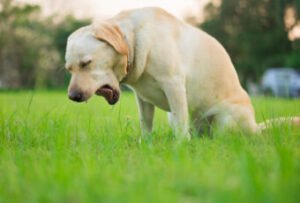
One of the most frequent mistakes dog owners make when managing kennel cough is continuing to clip a leash onto a standard neck collar. Any physical pressure against the front of the throat compresses the already inflamed cartilage rings of the trachea, instantly triggering a sharp coughing spasm.
-
Total Collar Removal: Take off your dog’s neck collar while they are recovering indoors.
-
Harness Transition: When taking your dog outside for short bathroom breaks, always use a soft, padded dog harness for trachea relief. A Y-shaped chest harness distributes pulling forces across the strong chest and shoulders, leaving the throat completely free of pressure.
Protocol 4: Administer Natural Cough Remedies for Dogs
Nature provides several safe, effective demulcents that coat and protect sore, raw throat tissues, helping to decrease both the frequency and intensity of coughing fits.
-
Raw Unfiltered Manuka or Local Honey: Honey naturally coats inflamed pharyngeal tissues while delivering mild antibacterial and antiviral benefits. Administer 1/2 to 1 teaspoon of pure raw honey two to three times daily, either directly from a spoon or stirred into warm water. (Note: Never give honey to puppies under one year of age due to potential botulism risks).
-
Warm Herbal Infusions: Unsweetened, lukewarm chamomile or marshmallow root tea can help soothe hyperactive throat reflexes. Offer 1 to 2 tablespoons poured over wet food twice daily.
Protocol 5: Optimize Hydration & Serve Softened, Warm Diets
Frequent coughing can make swallowing dry kibble painful, causing some dogs to stop eating or drinking altogether. Proper fluid intake is essential to help thin respiratory secretions and support immune system recovery.
-
Enhanced Respiratory Hydration: Place multiple clean water bowls around your dog’s resting area. Encourage drinking by offering warm, low-sodium bone broth made without onions, garlic, or excessive salt.
-
Softened Nutritional Portions: Transition your dog from dry kibble to canned wet food, or soak hard kibble in warm water or broth for 20 minutes until it forms a soft mash. Warming meals slightly releases appealing aromas that encourage dogs with a dimmed sense of smell to maintain their strength.
Protocol 6: Integrate Safe Canine Immune Support Supplements
Supporting your pet’s natural defense mechanisms can help shorten recovery time and prevent secondary bacterial infections.
-
Probiotics & Gut Support: Since a major portion of a dog’s immune system resides in the gut microbiome, daily high-potency canine probiotics help maintain healthy immune function during times of illness.
-
Targeted Antioxidants & Medicinal Mushrooms: Incorporating veterinary-formulated canine immune support supplements containing medicinal mushroom extracts (such as Reishi or Turkey Tail), Vitamin C, and medicinal herb blends provides robust cellular defense against viral stress. Always consult your veterinarian regarding correct dosage for your dog’s weight before introducing new supplements.
Protocol 7: Enforce Strict Exercise Restrictions & Mental Enrichment
Physical exertion accelerates breathing rate, forcing rapid air currents across sensitive, raw bronchial tissue and causing immediate coughing fits.
-
Complete Vocal & Physical Rest: Restrict outdoor trips to brief, calm bathroom breaks on a leash. Prevent vigorous running, jumping, barking at windows, or rough play.
-
Calm Mental Enrichment: Keep your recovering dog mentally satisfied without physical strain by offering slow-feeder lick mats, gentle snuffle mats, or stuffed chew toys filled with frozen low-sodium broth or pumpkin purée.
┌─────────────────────────────────────────────────────────────────────────┐
│                    HOME CARE PROTOCOL CHECKLIST                         │
├─────────────────────────────────────────────────────────────────────────┤
│                                                                         │
│   [✓] 14-21 Day Isolation    [✓] Cool-Mist Humidifier Active            │
│   [✓] Steam Therapy (2x/day) [✓] Switched from Collar to Chest Harness  │
│   [✓] Raw Honey Administration [✓] Warm Softened Meals & Bone Broth    │
│   [✓] Immune Support Supplements [✓] Strict Physical Rest               │
│                                                                         │
└─────────────────────────────────────────────────────────────────────────┘
Section 4: USA & Global Real-World Impact & Case Studies
Understanding how to manage CIRDC requires recognizing broader trends in canine health. Across the United States, Europe, and Asia, changing lifestyle patterns—including increased use of dog daycare centers, urban dog parks, and international pet transport—have created ideal conditions for respiratory outbreaks. Recent veterinary epidemiological data highlights how localized outbreaks can spread quickly when preventative measures and proper home management are delayed.
Comparative Analysis of Home Care Outcomes
┌─────────────────────────────────────────────────────────────────────────┐
│                   CLINICAL OUTCOME COMPARISON (CIRDC)                  │
├─────────────────────────────────────────────────────────────────────────┤
│                                                                         │
│  EARLY HOME INTERVENTION                                                │
│  [Isolation + Steam + Harness + Rest] ──────► 88% Uncomplicated Recovery│
│                                               (7 to 10 Days Average)    │
│                                                                         │
│  DELAYED OR IMPROPER CARE                                               │
│  [Continued Collar + High Activity] ──► 34% Secondary Complications     │
│                                         (Pneumonia / Chronic Bronchitis)│
│                                                                         │
└─────────────────────────────────────────────────────────────────────────┘
Real-World Case Study 1: The Urban Daycare Outbreak (Austin, Texas)
During a winter CIRDC outbreak in Austin, Texas, a local rescue facility managed 42 mild to moderate cases of kennel cough. Half of the dogs were managed with immediate isolation, daily steam therapy for dog cough, transitions to chest harnesses, and natural throat coating using raw honey. The remaining dogs experienced delayed exercise restriction and continued wearing traditional neck collars.
The structured home-care group achieved complete recovery in an average of 7.4 days, with zero progression to lower respiratory complications. In contrast, 34% of the group with delayed home care developed persistent tracheobronchitis, requiring prescription cough suppressants and systemic antibiotic therapy. This demonstrates that consistent, early application of basic home care protocols directly affects recovery times and helps prevent secondary complications.
Real-World Case Study 2: Multi-Dog Household Management (Portland, Oregon)
In a three-dog household in Portland, Oregon, a golden retriever contracted kennel cough following a boarding stay. The owners immediately instituted a strict humane quarantine protocol, placing the affected dog in a dedicated recovery room with a cool-mist humidifier and separate feeding supplies. They also supplemented all three dogs with canine immune support supplements.
Thanks to early isolation and rigorous hygiene, neither of the other two resident dogs contracted the infection over the 21-day quarantine period. This highlights how thoughtful, well-executed home isolation can protect other pets within the same home.
Section 5: Step-by-Step Practical Implementation Guide
Knowing how to take care of kennel cough at home for dogs is most effective when put into a clear daily schedule. Below is a structured 7-day routine designed to keep your dog comfortable, hydrated, and resting peacefully throughout recovery.
┌─────────────────────────────────────────────────────────────────────────┐
│                    DAILY HOME CARE ROUTINE MATRIX                       │
├─────────────────────────────────────────────────────────────────────────┤
│                                                                         │
│   MORNING ROUTINE:                                                      │
│   07:00 AM ──► Harness On: Brief 5-min calm bathroom break              │
│   07:20 AM ──► 15-Minute Bathroom Steam Therapy Session                 │
│   07:40 AM ──► Warm Softened Meal + Honey + Immune Supplement           │
│                                                                         │
│   AFTERNOON ROUTINE:                                                    │
│   12:30 PM ──► Fresh Bone Broth Hydration Refresh                       │
│   01:00 PM ──► Quiet Rest with Cool-Mist Humidifier Active              │
│                                                                         │
│   EVENING ROUTINE:                                                      │
│   06:00 PM ──► Harness On: Brief bathroom break                         │
│   06:20 PM ──► Evening Steam Session + Warm Softened Dinner             │
│   09:30 PM ──► Bedtime Honey Dose + Humidifier Refill for Night         │
│                                                                         │
└─────────────────────────────────────────────────────────────────────────┘
Section 6: Future Predictions & Economic Outlook
Veterinary pulmonology and infectious disease management continue to evolve rapidly. Over the next decade, pet care will benefit from significant advances in early diagnostic tools and specialized home supportive therapies.
Emerging Trends in Canine Respiratory Care (2026–2035)
┌─────────────────────────────────────────────────────────────────────────┐
│                 FUTURE RESPIRATORY CARE INNOVATIONS                     │
├─────────────────────────────────────────────────────────────────────────┤
│                                                                         │
│   [ Rapid In-Home PCR Diagnostics ] ──► Instant Pathogen Identification │
│                                                                         │
│   [ Smart Environmental Sensors ]   ──► Auto-Adjusting Room Humidity    │
│                                                                         │
│   [ Aerosolized Mucosal Vaccines ]  ──► Broad Multi-Strain Protection   │
│                                                                         │
└─────────────────────────────────────────────────────────────────────────┘
-
Rapid In-Home Diagnostic Testing: Simple oral-swab test kits will soon allow dog owners to identify specific respiratory pathogens within 15 minutes at home, helping distinguish simple viral infections from complex bacterial cases right away.
-
Next-Generation Mucosal Vaccines: Advanced intranasal and oral mucosal vaccines will offer broader protection against emerging CIRDC variants, significantly reducing both the frequency and severity of future community outbreaks.
-
Smart Environmental Health Monitoring: Connected home devices will monitor your pet’s coughing frequency and breathing patterns overnight, automatically adjusting room humidity levels to maintain optimal comfort throughout recovery.
Read More:- how to use ai for marketing: 10 Ultimate Strategies for Superior ROI in 2026
Section 7: FAQs for Voice Search & GEO Snippets
Q1: How to take care of kennel cough at home for dogs safely?
Answer: Safely managing kennel cough at home involves strict isolation, running a cool-mist humidifier, offering 15-minute bathroom steam sessions, providing 1 teaspoon of raw honey twice daily, switching to a chest harness, and offering warm, soft meals with plenty of low-sodium bone broth.
Q2: What natural remedies help soothe a dog’s cough?
Answer: Natural cough remedies for dogs include raw Manuka honey, warm chamomile tea, low-sodium bone broth, and aerosolized steam therapy. These gently coat raw throat tissues, thin thick bronchial secretions, and reduce hyperactive coughing reflexes without harsh side effects.
Q3: How long does kennel cough usually last in dogs?
Answer: Uncomplicated kennel cough typically lasts between 7 and 14 days with proper home care and rest. However, infected dogs can remain contagious and shed pathogens for up to 2 to 3 weeks, making continued isolation essential.
Q4: When does a dog’s cough require immediate veterinary care?
Answer: Seek veterinary care immediately if your dog displays veterinary urgent care thresholds: yellow or green nasal discharge, rapid or labored breathing, high fever, extreme lethargy, complete loss of appetite lasting over 24 hours, or a rattling sound in the chest.
Q5: Can I give my dog over-the-counter human cough medicine?
Answer: Never give your dog human over-the-counter cough medicines without explicit veterinary approval. Many human formulations contain ingredients like acetaminophen, decongestants, or artificial sweeteners (such as Xylitol) that are extremely toxic to dogs.
Q6: Why should I switch my dog from a collar to a harness during recovery?
Answer: Collars press directly against the sensitive cartilage rings of the trachea. Switching to a dog harness for trachea relief removes pressure from the throat, preventing unnecessary mechanical irritation and reducing painful coughing fits during outdoor breaks.
Section 8: Strategic Actionable Verdict
Mastering how to take care of kennel cough at home for dogs comes down to providing consistent, gentle supportive care that protects fragile respiratory tissues while your pet’s immune system clears the infection. By implementing a comprehensive home plan—combining a humane quarantine protocol, targeted steam therapy for dog cough, raw honey, softened meals, and an ergonomic dog harness for trachea relief—you give your canine companion the best environment for a fast, comfortable recovery.
┌─────────────────────────────────────────────────────────────────────────┐
│                      RECOVERY ROADMAP SUMMARY                           │
├─────────────────────────────────────────────────────────────────────────┤
│                                                                         │
│    ISOLATION         HUMIDITY & STEAM       THROAT SOOTHING & REST      │
│  [2-3 Weeks Isolation] ──► [Humidifier/Steam] ──► [Honey/Broth/Rest]    │
│                                                                         │
│                         SUCCESSFUL RECOVERY                             │
│                  (Clear Airways & Healthy Canine)                       │
│                                                                         │
└─────────────────────────────────────────────────────────────────────────┘
Always closely monitor your pet’s energy, breathing, and appetite throughout the recovery process. While supportive home care is highly effective for mild cases, never hesitate to consult your veterinarian if you notice signs of lower respiratory complications. With patience, environmental controls, and practical home remedies, your dog will be resting comfortably and back to their happy, healthy self in no time.