
Kalshi Bans George Santos: 5 Shocking Details Behind the Lifetime Ban

Kalshi has permanently banned former U.S. Congressman George Santos, giving the prediction-market platform its first-ever lifetime trading ban. The decision has put renewed attention on prediction markets, insider trading concerns and how platforms police users who may have an influence over the events they trade.
The controversy centers on bets connected to Santos’ own attendance at President Donald Trump’s 2026 State of the Union address. Kalshi said its investigation found reasonable cause to believe Santos engaged in prohibited trading activity and attempted to influence market prices through public statements.
1. Kalshi Issued Its First Lifetime Ban
The platform permanently banned Santos from accessing Kalshi directly or indirectly. The company said his lack of cooperation with its investigation contributed to the permanent punishment.
2. Santos Made Nearly $18,000
According to reporting based on Kalshi and regulatory findings, Santos earned approximately $17,839 from trading connected to whether he would attend Trump’s State of the Union address.
The issue was that Santos was personally connected to the outcome of the market, creating a potential conflict that prediction-market rules prohibit.
3. He Also Faces a $71,356 Penalty
The lifetime ban wasn’t the only punishment. Kalshi imposed a $71,356 penalty in addition to the permanent suspension.
The case follows an earlier federal regulatory action. The Commodity Futures Trading Commission had already imposed a separate fine and trading ban related to Santos’ activity.
4. Public Statements Became Part of the Controversy
Kalshi said Santos made public statements about his planned attendance while holding positions in the relevant market. The company concluded that some statements were false or misleading and were intended to influence contract prices.
That aspect makes the case particularly important for prediction markets, where public information can directly affect contract prices.
5. The Case Raises Bigger Questions for Prediction Markets
The Santos case comes as Kalshi and other prediction-market platforms face increasing scrutiny over market manipulation and insider trading. Regulators and platforms are under pressure to ensure politicians, candidates, officials and other people who can influence an event do not trade on outcomes connected to themselves.
What Happens to Kalshi Next?
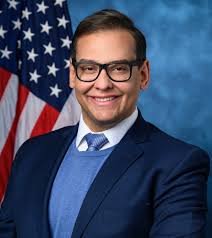
The George Santos case could become an important test for how prediction markets enforce their rules. With political and event-based contracts attracting increasing attention in the U.S., stronger compliance systems are likely to remain a major issue.
For Kalshi, the lifetime ban sends a clear message: trading on an event you can influence can carry serious consequences.
Bottom Line
The Kalshi George Santos ban is more than a story about one controversial trader. It highlights the growing regulatory pressure surrounding prediction markets and the challenge of preventing insider information and market manipulation.
Santos’ lifetime ban, combined with the $71,356 penalty, makes this one of Kalshi’s most significant enforcement actions to date.
Read More:- Onimusha: Way of the Sword Review: 5 Brutal Truths Every Gamer Should Know
FAQ
1. Why did Kalshi ban George Santos?
Kalshi permanently banned Santos after concluding that he engaged in prohibited trading connected to his own attendance at the State of the Union and attempted to influence market prices through public statements.
2. How much money did George Santos make on Kalshi?
Reports say Santos made approximately $17,839 from the trades connected to his State of the Union attendance.
3. How much did Kalshi fine George Santos?
Kalshi imposed a $71,356 penalty alongside the lifetime ban.
4. Is George Santos permanently banned from Kalshi?
Yes. Kalshi described the action as a permanent, lifetime ban and said Santos cannot access the platform directly or indirectly.
5. Why is the Kalshi case important?
The case highlights growing concerns about insider trading and market manipulation as prediction markets become more prominent in U.S. politics and news.